
Microbes are the honeybees of soil.
They’re the foundation. Microbes get the ground ready before anything you can see starts growing. Foundationally, the microbes are important. They’re basically prepping it for the honeybees.
Here’s what these tiny workers are doing down there.
So, what do soil microbes do?
A lot, it turns out. According to the USDA Natural Resources Conservation Service, healthy soil is “teeming with billions of microorganisms,” and a living soil is what lets it regulate water, filter pollutants, cycle nutrients and support plant growth (USDA NRCS, Soil Health).
Georgia Wood Char
What soil microbes do
- Nutrient recyclersThey turn organic matter into forms plant roots can use.
- Soil buildersThey help glue soil into crumbs, leaving room for air and water.
- Plant partnersSome, like mycorrhizal fungi, team up with roots directly.
- Quality controlA diverse community keeps the underground neighborhood in balance.
Source: USDA Natural Resources Conservation Service, Soil Health.
Microbes break down organic matter and turn it into forms plant roots can use, and that keeps nutrients cycling through the soil food web. Their activity helps glue soil particles into crumbs, which leaves room for air and water to move. Some, like mycorrhizal fungi and nitrogen-fixing bacteria, team up with roots directly. A diverse microbial community keeps the whole underground neighborhood in balance.
Biochar is a home for microbes
Here’s where biochar comes in. Biochar made the way we make it, with slow pyrolysis and a slow, sealed cool-down, keeps the wood’s natural cell structure. That structure is a maze of tiny pores and a huge amount of surface area.
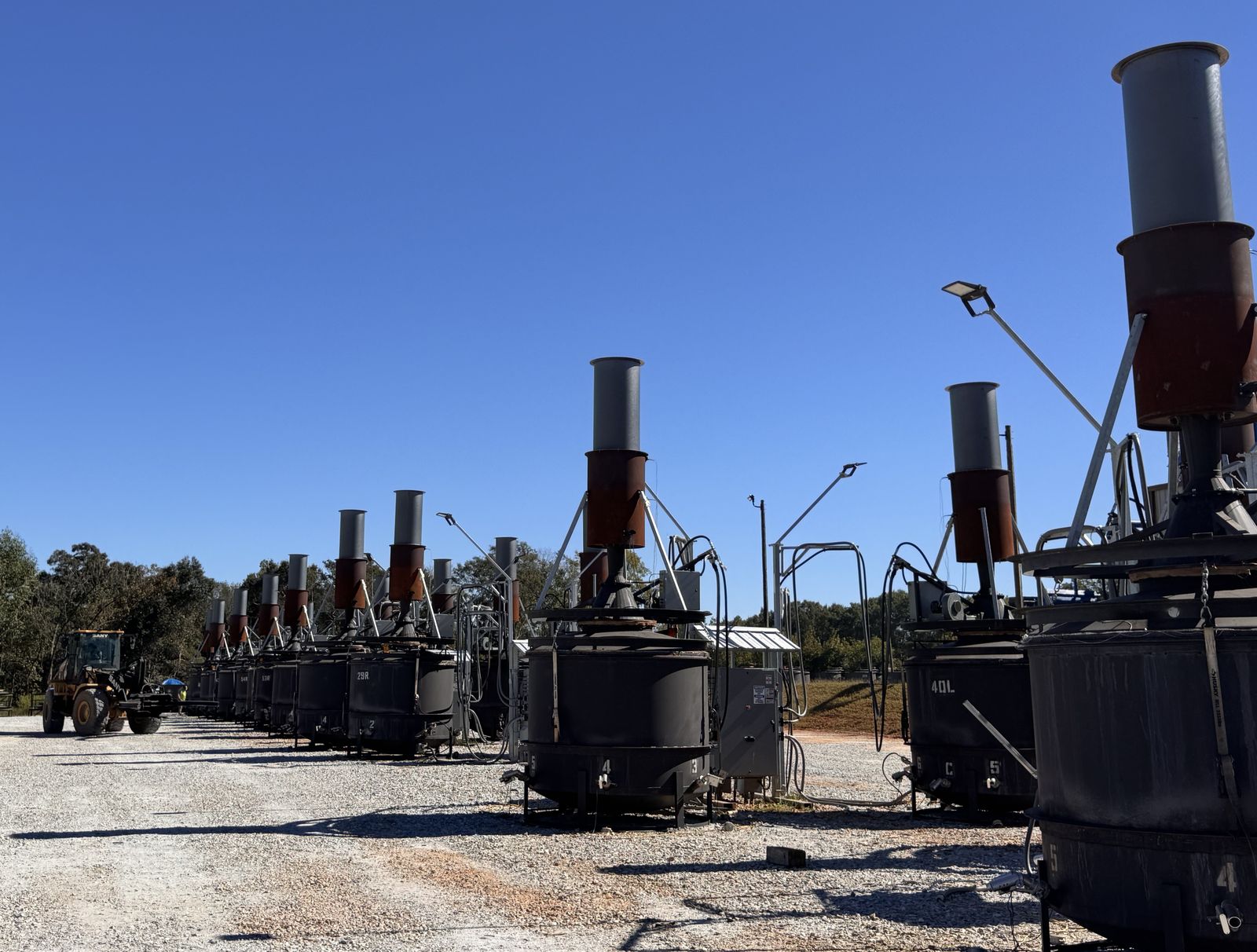
Researchers have been studying this for years. A widely cited review led by Cornell University’s Johannes Lehmann found that in most studies, microbial biomass increased when biochar was added to soil, and that biochar’s pore structure and surface area play an important role in how it affects soil life (Lehmann et al., 2011, Soil Biology and Biochemistry). A more recent review describes biochar as a potential porous habitat where microbes can colonize, grow and find protection from predators (Dai et al., 2021, Biochar). The USDA’s own biochar guide notes that biochar can help foster a diverse microbial community (USDA Climate Hubs, Soil Restoration with Biochar).
I put it simply: this is a souped up microbe hotel.
The hive is the char
It’s the honeybee, because the hive is the char. The microbes go out and get the nutrients, then bring them back and digest them, the same way bees bring the pollen back and digest it to make the honey. Right?
Welcome to the Microbe McMansion
The larger pieces make a great home for microbes.
On a call, we were riffing on what to name it. Tiny homes for your microbes. Micro homes. Then somebody said it, and the room lost it: a Microbe McMansion.
Georgia Wood Char
Inside the Microbe McMansion
One piece of biochar, cut open.
- 1Vaulted pore ceilingsThe wood’s natural cell structure, kept intact.
- 2A water featurePores hold water where roots can reach it.
- 3Nutrients delivered to the doorNutrients bind to the char’s surface.
- 4Microbes move inMicrobes colonize the pores and grow there.
Vaulted pore ceilings. A water feature, since the pores hold water where roots can reach it. Nutrients delivered right to the door, since they bind to the char’s surface. And microbes moving in, right where the roots are.
The whole circle
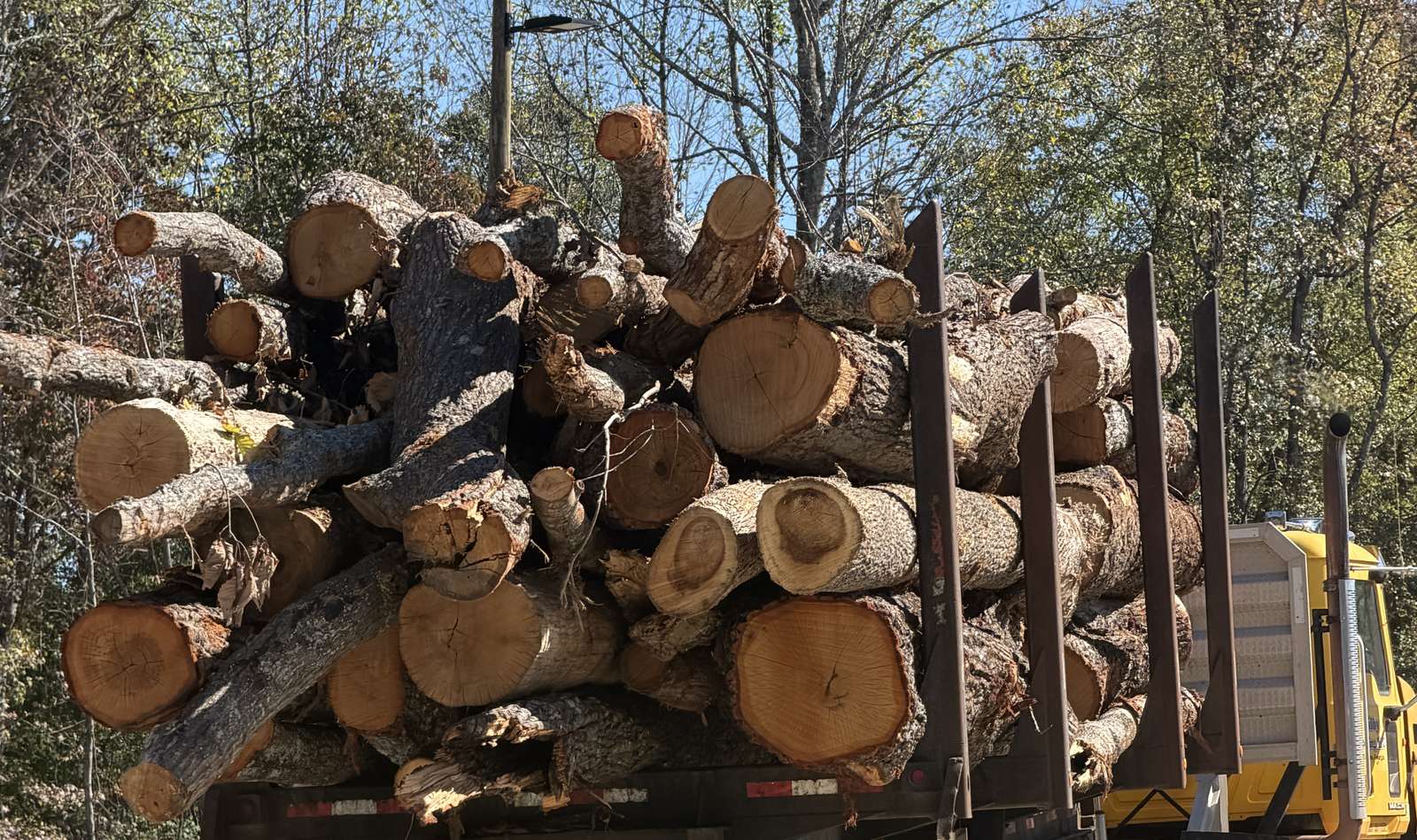
Georgia trees become biochar. Biochar becomes a home for microbes. Microbes keep the soil alive, the soil grows plants, and the carbon in that biochar stays locked away for the long haul (here’s how that works). I call it a complete circle of sustainability, and the microbes do a lot of the heavy lifting.
Georgia Wood Char
A complete circle of sustainability
Georgia trees pull carbon dioxide from the air and build it into wood as they grow.
Wood is heated slowly with very little oxygen, turning its carbon into stable, porous biochar.
Biochar’s tiny pores give beneficial soil microbes a protected, lasting place to live.
Thriving microbes cycle nutrients and help the soil hold water where roots can reach it.
Healthy, living soil supports strong roots and vigorous plant growth.
The carbon in biochar stays in the soil for decades to centuries.
Want the science? Visit our research page. Want to see the biochar itself? Our biochar grades are on the products page. To see where we make it, read Where Is Our Biochar Made in Georgia?, and for where the wood comes from, Where Does the Wood for Biochar Come From?
Frequently asked questions
What do soil microbes do?
They cycle nutrients, help build soil structure, partner with plant roots and keep the soil food web running. The USDA NRCS describes healthy soil as teeming with billions of microorganisms.
Why does Scott call microbes the honeybees of soil?
Microbes do the foundational work before anything visible grows, and in Scott’s picture, the hive is the char.
Why is biochar a home for microbes?
Biochar’s porous structure and large surface area give microbes places to live and grow. Peer-reviewed reviews have found microbial biomass increased in most studies where biochar was added.
Does how biochar is made matter?
Researchers note that a biochar’s physical properties, such as pore structure and surface area, shape how it affects soil life. Georgia Wood Char uses slow pyrolysis and a slow, sealed cool-down to keep the wood’s cell structure.