Ask me about my favorite wood and I’ll tell you about bugs.
Buggy timber
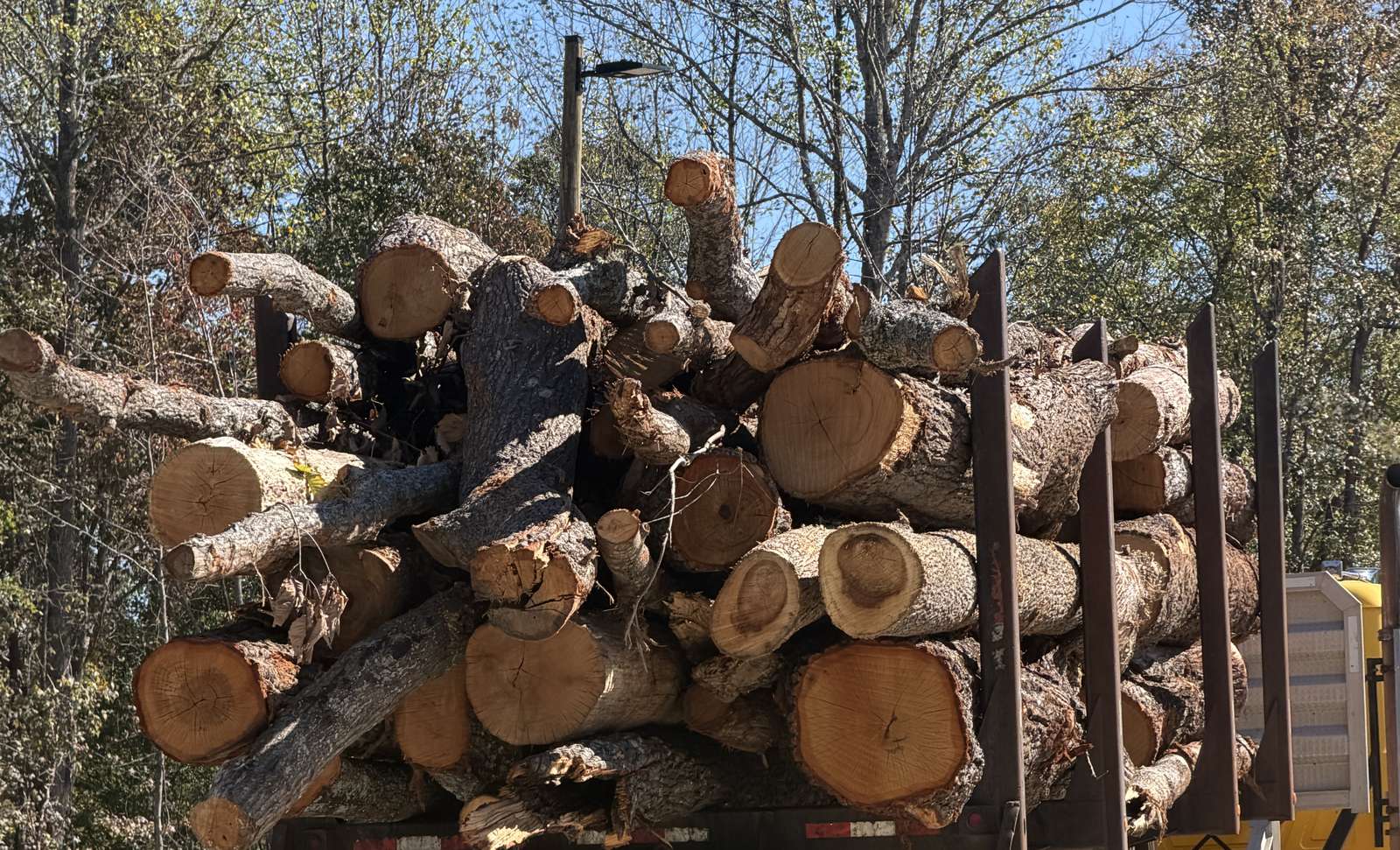
We call it buggy timber. Southern pine beetle is typically the culprit, and we like it because the moisture content runs low, so it takes only a little gas to get started.
That’s a good snapshot of how we think about wood. Crooked trunks, knotty logs, small-diameter tops and beetle-hit pine all fit our kilns. In a kiln, that wood gets a second career.
100% Georgia wood
One hundred percent from Georgia now. About three-quarters of it comes from within 15 to 20 miles of our plant in Commerce, and the rest comes from a municipality about 60 miles away. The wood comes from two main streams: sustainable forestry and landfill diversion.
Georgia Wood Char
Where the wood comes from
All Georgia wood, traceable from tree to bag.
- Sustainable forestryWood from Georgia forests managed for the long term.
- Public projects and landfill diversionWood from municipal and public projects that need trees cleared.
- Arborists’ trimmingsTree trimmings that become something lasting and useful.
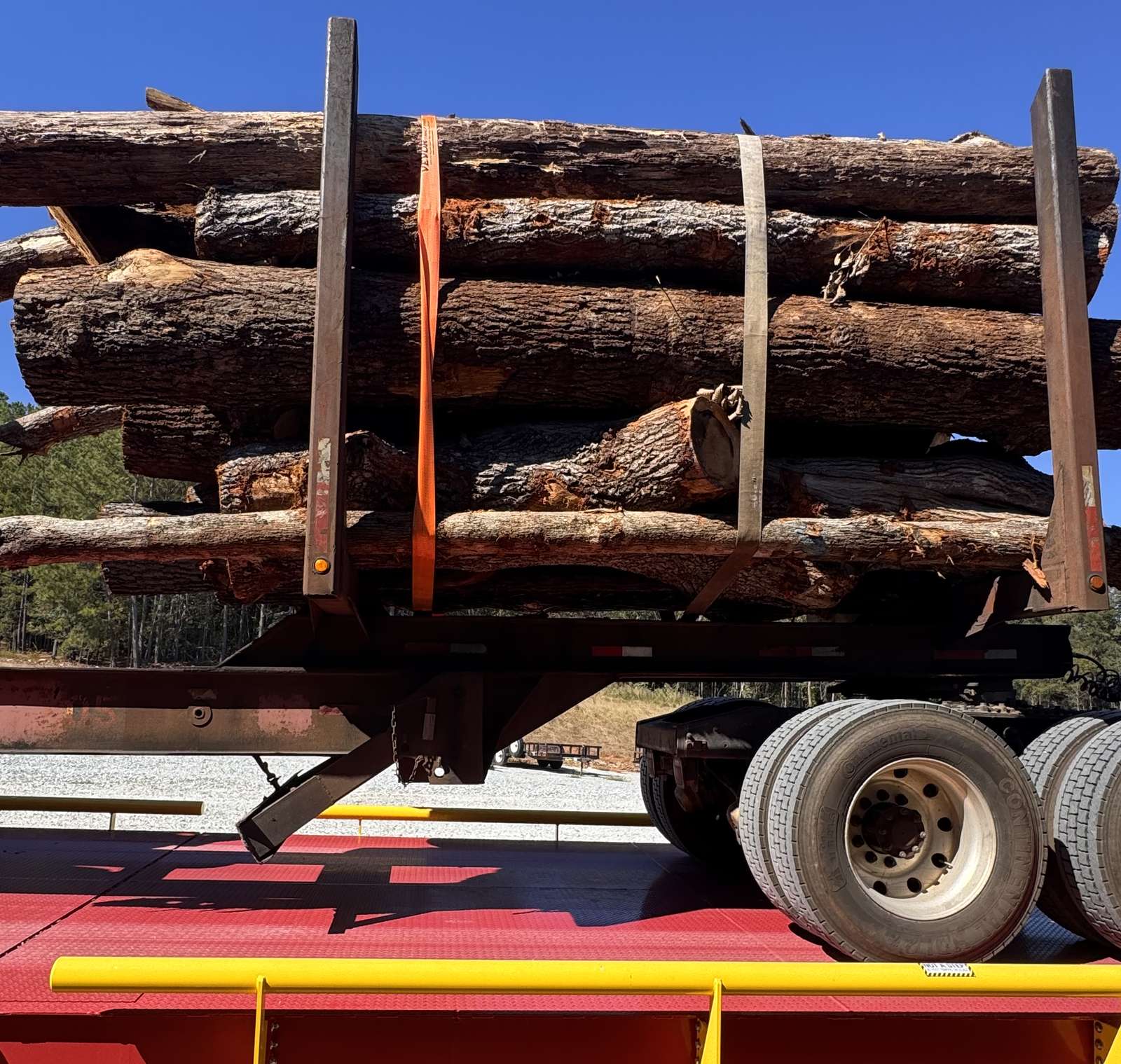
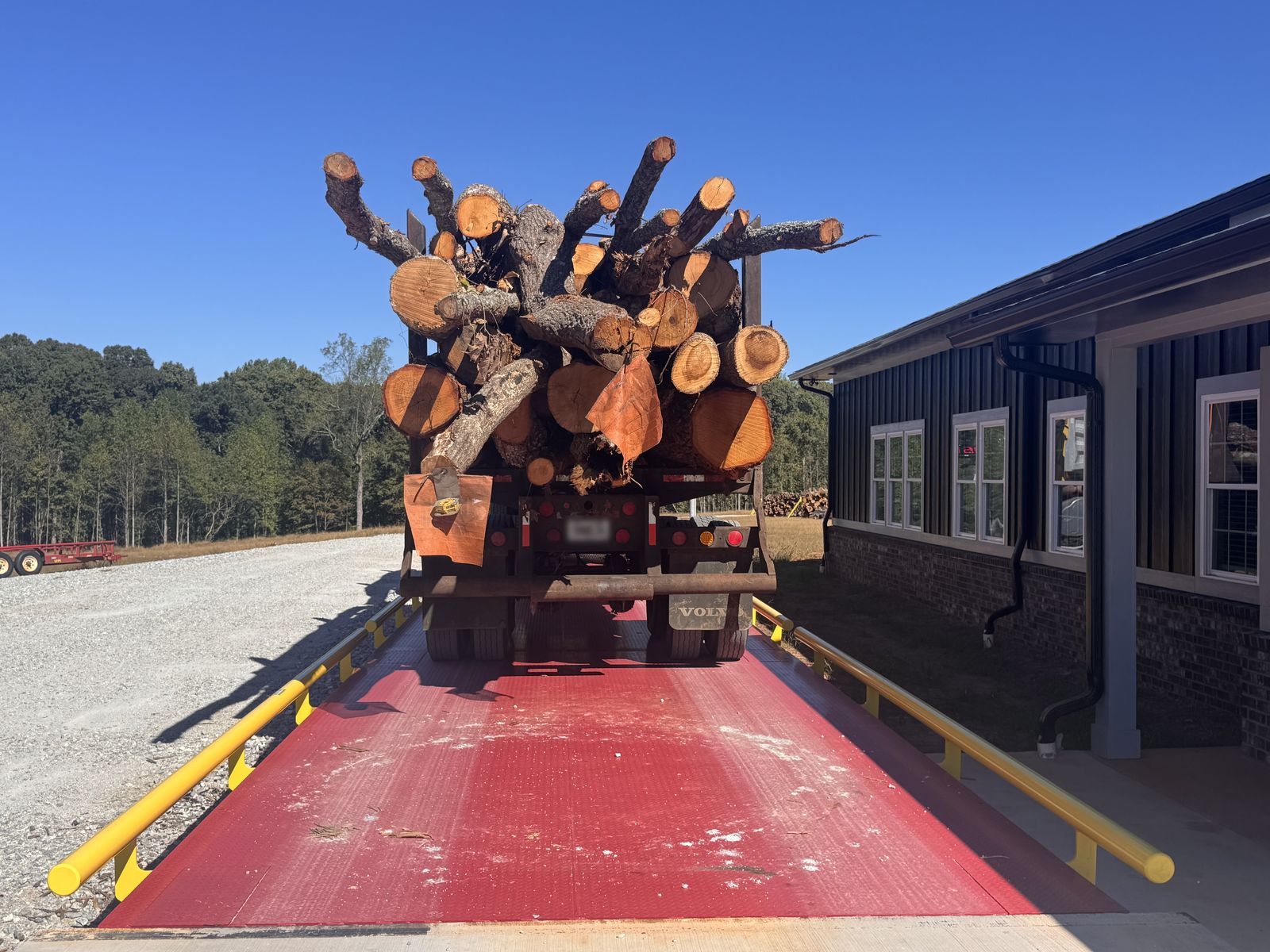
- Weighed on arrivalEvery truck is weighed, so the wood can be traced from tree to bag.
Sustainable forestry
When a logger cuts a tract, the mill takes the logs that meet its spec. That leaves out-of-spec wood, beetle-hit pine and “top wood,” the part of the tree above the mill’s minimum top diameter.
We buy that wood. Most of what we run is softwood, and most of that softwood comes from sustainable forestry operations. For loggers it’s another outlet. For landowners it’s tonnage they get paid for. It’s an option for the landowner to collect a little bit more on that top wood. The trees are so beneficial.
Generational logging companies need a steady place for their wood to go, and a working market helps keep working forests working.
Public projects and landfill diversion
The second main stream is what I call wood “derived from a higher power,” meaning a government or municipality clearing trees for a public project. Arborist trimmings fall into the same group, since they’re landfill diversion.
One example: a municipality about 60 miles away has a big pile of mixed wood, mostly from arborists, roughly a year old and already well dried. We’re working with them to move it, they haul us two to three loads every day, and all of it becomes biochar.
The two rules every log has to pass
We keep our feedstock spec simple.
Georgia Wood Char
The two rules every log has to pass
- Four inches across or largerFor safe handling by the crew.
- CleanClean wood makes clean biochar.
Species is flexible. Most of what we run is softwood, mostly pine. If I had to rank them, gum is my number one, then pine, then poplar. Gum and poplar are hardwoods, and so are oak and hickory. Oak and hickory take more time to dry, and the burns run a little longer, so we blend species to keep burn times consistent. The more consistent the burn, the shorter it runs, and the less natural gas and electricity I burn. My footprint goes down per ton.
Traceable from tree to bag
We’re an ISCC PLUS Certificate Holder, certified by SGS Germany. ISCC is an international certification system for sustainable and traceable supply chains, and you can read about it on the ISCC website.
And every truck gets weighed when it arrives. All of our data is kept extremely tight on how much wood we bring in and how much we process every day. That kind of record-keeping lets a buyer, or an auditor, follow the wood all the way back.
A complete circle
Here’s the part I love. Beetle-hit pine, top wood, arborist trimmings and municipal clearing all become biochar. The carbon that tree pulled out of the air gets locked into a stable form that lasts in soil for a very long time (here’s how biochar locks carbon away). The biochar goes to work on farms, golf courses and more. And the carbon removal supports insured carbon credits, sold direct.
I call it a complete circle of sustainability. Georgia trees, Georgia jobs, Georgia soil, and back again.
Curious how the carbon side works? Start with Carbon Credits, Explained Simply, then see the carbon credits page. To see where the wood becomes biochar, read Where Is Our Biochar Made in Georgia?
Sources and background: ISCC, USDA Climate Hubs: Soil Restoration with Biochar (PDF) and Biochar Now. You can also see the grades on our products page, read the research, hear the podcast or contact us.
Frequently asked questions
Where does Georgia Wood Char get its wood?
All of it is Georgia wood from sustainable forestry (out-of-spec logs, beetle-hit pine and top wood) and landfill diversion (municipal clearing for public projects and arborist trimmings). Most of it is softwood, mostly pine.
Is Georgia Wood Char certified?
Yes. Georgia Wood Char is an ISCC PLUS Certificate Holder, certified by SGS Germany.
What kinds of trees work best?
Most of our wood is softwood, mostly pine. My ranking is gum first, then pine, then poplar. Gum and poplar are hardwoods, and we also blend in hardwoods like oak and hickory for consistent burns. The two rules are wood four inches across or larger, and clean.
How does this connect to carbon credits?
The carbon locked into biochar supports insured carbon credits, sold direct. See the carbon credits page.